

The enterprise technology buying process has long been relatively predictable: Business stakeholders defined requirements, CIOs and IT leaders selected technology, and procurement finalized decisions. Security leaders were consulted mainly to validate risk and compliance, often late in the process.
That’s all changing.
Chief information security officers are no longer just gatekeepers, but increasingly central to budgeting, technology evaluation, and vendor selection. Technology marketers need to think about how to engage with this new buyer, whose priorities can differ significantly from the CIO’s.
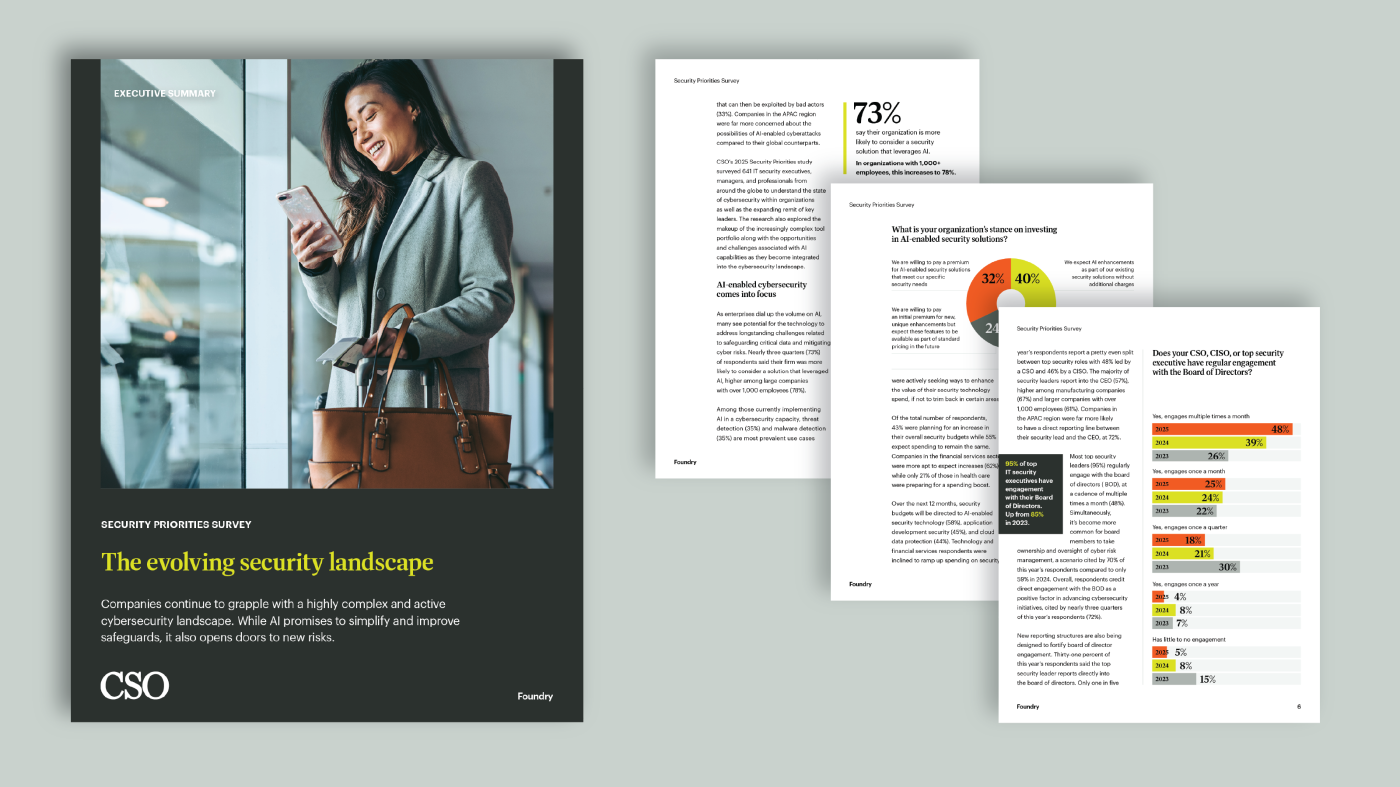
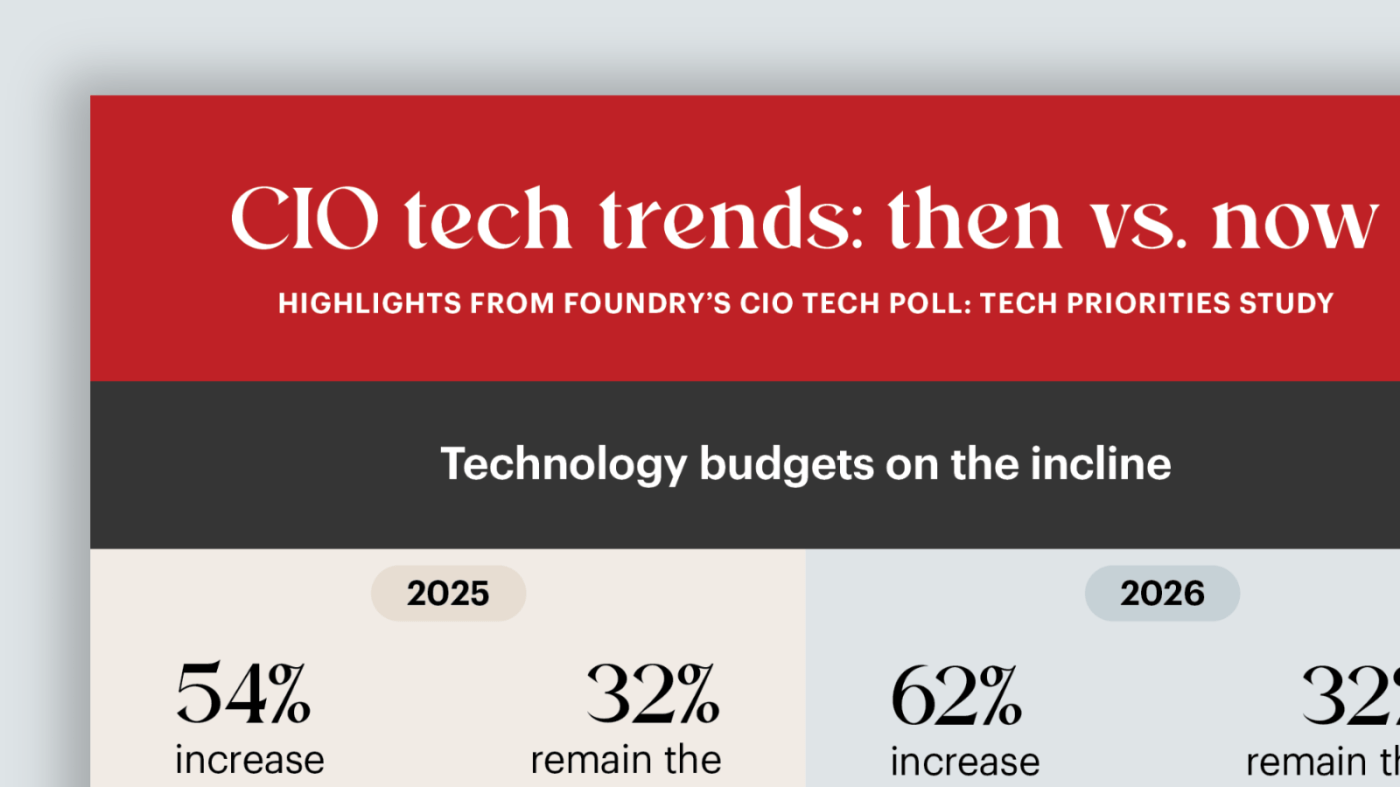
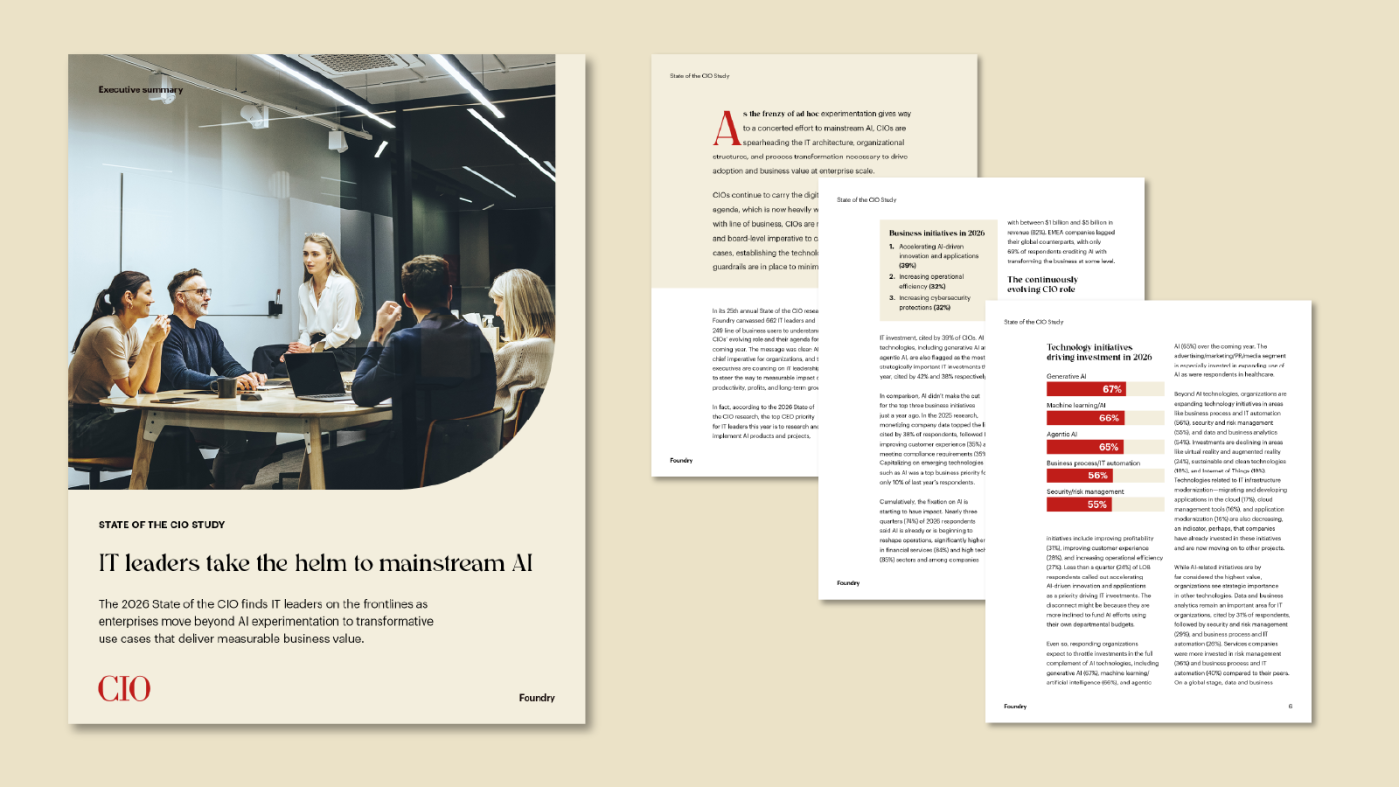
Foundry’s latest Security Priorities Study found that security leaders are now deeply embedded in executive decision-making. Almost all, 95%, regularly engage with the board of directors and 70% of organizations assign explicit responsibility for cyber risk to the board. In addition, the majority of CSOs now report directly to the CEO, which was recently reported in the brand new 2026 State of the CIO Survey.
Read the full State of the CIO executive summary
While many CISOs still sit within IT, a growing number report directly to business leadership, including CEOs, chief risk officers, or boards. The takeaway: cybersecurity is increasingly seen as a strategic risk function rather than just an IT problem.
The expanding role of CISOs amplifies their role in purchasing decisions. Security leaders are now responsible for a broad portfolio that includes risk management, regulatory compliance, cloud security, data protection, and increasingly, artificial intelligence governance.
The Foundry study revealed that more than half of CISOs believe their scope has become unmanageable with available resources. At the same time, they are expected to deliver on a broader range of business outcomes, from resilience to operational efficiency.
The research also found that security decision-makers are taking on greater responsibility for cybersecurity strategy, policy development, and emerging technologies, including AI. They are directly influencing budget allocation, with spending priorities tied to business objectives such as profitability, efficiency, and innovation.
This combination positions CISOs as key arbiters of value, not just risk.
For CISOs, this environment demands rigorous evaluation. Every investment must demonstrate not only technical effectiveness but also integration, scalability, and alignment with broader risk and business strategies.
For technology marketers, the implications are significant. Engaging CISOs requires a different approach than connecting with traditional IT buyers. Here are five strategies to employ.
- Lead with risk and business impact, not just features
CISOs are accountable for enterprise risk. Messaging must connect directly to outcomes such as resilience, regulatory compliance, and risk reduction. Technical capabilities matter, but only in the broader context of measurable business value. - Simplify complexity, don’t add to it
More than three-quarters of security decision-makers say it is difficult to determine which tools best fit their needs. The operational burden of disconnected systems and overlapping technologies is growing. Given this fragmentation, CISOs prioritize solutions that reduce tool sprawl and technical overhead. Messages around platform consolidation, integration, and interoperability resonate more than point-solution differentiation. - Be direct about AI’s risks and rewards
While nearly three-quarters of respondents to the Foundry study said they are more likely to consider a solution that leverages AI, they are also aware of the risks of data exfiltration, ungoverned use and errors. Effective messaging must acknowledge both sides, emphasizing governance, transparency, and control features of cybersecurity solutions. - Support the full journey
CISOs are deeply involved in every stage of the buying process, from early research to final approval. They rely on data, peer insights, and evidence-based validation. Content strategies should include research, benchmarks, and real-world use cases that support every stage of the decision-making process. - Make solutions understandable
Because CISOs are increasingly accountable to boards, they must translate technical decisions into business language. Marketers can support this by providing materials that help CISOs communicate value and risk to non-technical stakeholders.
The elevation of the CISO is not a temporary trend. It reflects the broader transformation of board-level attitudes toward cybersecurity as a core element of business strategy rather than a supporting function.
CISOs have become one of the most influential voices in enterprise technology. Winning in this market requires CISOs to treat them that way, using strategies centered on trust, value, and measurable outcomes.