

Personalized. Predictable. Powerful. Welcome to the Future of B2B Growth.
Account-Based Marketing (ABM) isn’t new — but it’s more relevant than ever. In a landscape where attention is scarce and precision matters, ABM remains one of the most effective ways to cut through noise, generate high-value engagement, and build revenue-driven relationships.
Whether you’re building your first ABM campaign or refining a strategy that’s already in motion, the three steps below will help you focus, personalize, and win.
What Is ABM, Really?
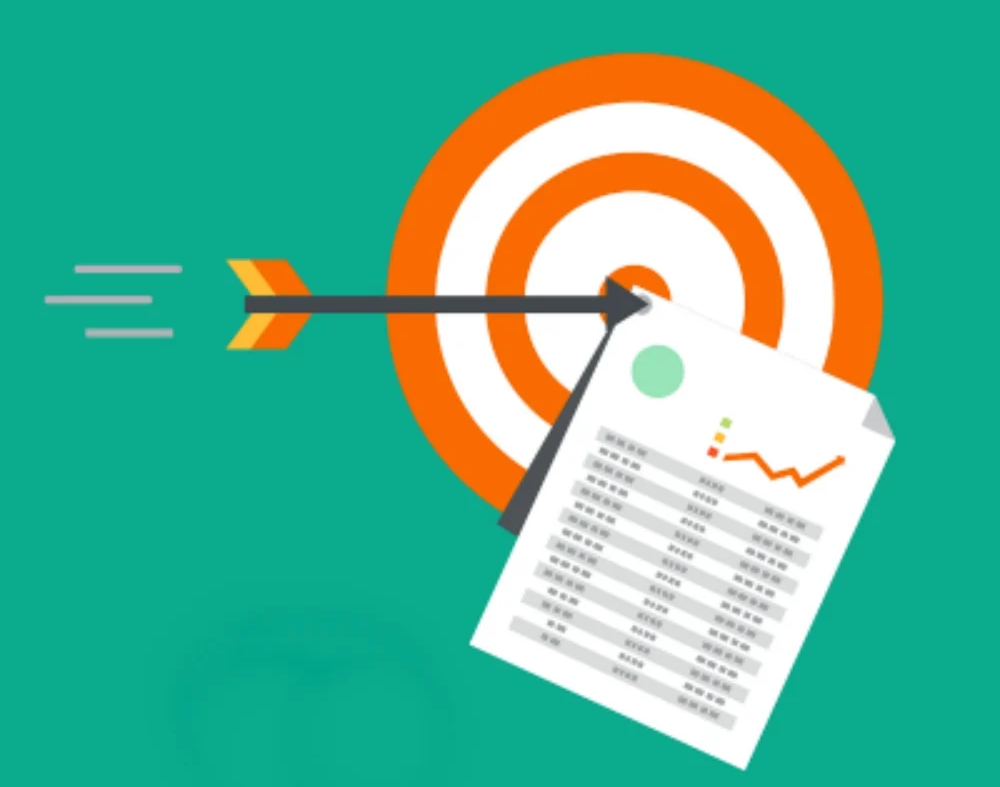
At its core, ABM flips the traditional marketing funnel on its head. Instead of casting a wide net and hoping the right people swim in, you start by identifying the most valuable fish in the pond — and craft your bait just for them.
You don’t market to industries. You market to accounts. Real companies. Real people. Real needs. That means hyper-personalized content, messaging, and outreach designed to resonate with specific decision-makers.
ABM = Quality over quantity. Precision over promotion.
Step 1: Research – Build on Bedrock
Every successful ABM strategy begins with intelligent targeting. That means developing a clear picture of who your best-fit accounts and buyers are — not who you think they are.
Start with two foundational profiles:
🏢 Ideal Company Profile (ICP)
These are the companies that are a perfect match for your product. Think industry, size, revenue, geography, and tech stack — the firmographic traits that define your sweet spot.
👤 Ideal Customer Persona (also ICP, confusingly)
These are the individual roles within target accounts who feel the pain your solution solves. They’re your champions, your decision-makers, your deal-makers.
Use your internal data to guide the process:
- Dive into your win/loss history — Who converts? Who doesn’t?
- Meet with sales and leadership to align on strategic direction.
- Ask: What patterns do our best customers share?
Once identified, look for look-alike companies and buyer personas that match your top performers. This is your ABM starting lineup.
Step 2: Action – Personalize at Scale
You know who you’re targeting — now it’s time to make every touchpoint count.
🎯 Create Content with a Purpose
Speak to your target accounts like you know them — because you do. Your ads, emails, web pages, and social messages should mirror their challenges, aspirations, and KPIs.
You’re not just saying “We have a solution.”
You’re saying, “We understand your world — and here’s how we can help.”
🌐 Go Omnichannel, Not Overboard
Don’t rely on a single channel. Build multi-touch, multi-platform experiences that guide buyers across their journey. Use a mix of:
- Email sequences
- LinkedIn outreach
- Programmatic display ads
- Dynamic website content
- Personalized landing pages
And yes — every interaction should feel coordinated, consistent, and crafted with intent.
Step 3: Monitoring – Measure What Matters
ABM without measurement is like flying blind.
Once your campaign is live, your job shifts from strategy to optimization. This means monitoring campaign performance across multiple layers — from engagement metrics to revenue impact.
Here’s what to track:
📈 Attribution
Where are your best leads coming from? What touchpoints drive the most meaningful interactions? Double down on what’s working and recalibrate what’s not.
🧠 ICP Reality Check
Are your target accounts actually engaging? If not, are there uncovered segments or new personas showing up in your data? Stay curious and flexible.
💰 ROI and KPIs
You’ve invested time and money, make sure it’s paying off. Track conversions, pipeline progression, and closed deals tied directly to your ABM campaigns.
🔍 Use First-Party & Visitor Data
Leverage website visitor tracking, IP intelligence, and account-level analytics to see who’s actually showing up — and what content they engage with most.
ABM Is a Cycle, Not a Campaign
The biggest mistake marketers make? Thinking ABM is a one and done effort.
Great ABM strategies are iterative. As your business, market, and buyer behavior evolve, so should your approach. Continue testing, refining, and adapting. The good news? With modern tools and data visibility, optimization is no longer guesswork, it’s part of the process.
Yes, ABM takes work. But the payoff, higher-quality leads, shorter sales cycles, and stronger customer relationships makes every ounce of effort worth it.